Autumn & Berries…. 🌱
Leycesteria formosa (Himalayan honeysuckle, flowering nutmeg, granny's curls, shrimp plant, pheasant berry)
This is a beautiful shrub, but like any non-native plant, with how delicious the berries are to birds, it does come with responsibilities if we choose to keep it: the spread of the plant can be kept in check by removing spent flowers before they go to seed. The plant is sold widely in garden centres & nurseries.
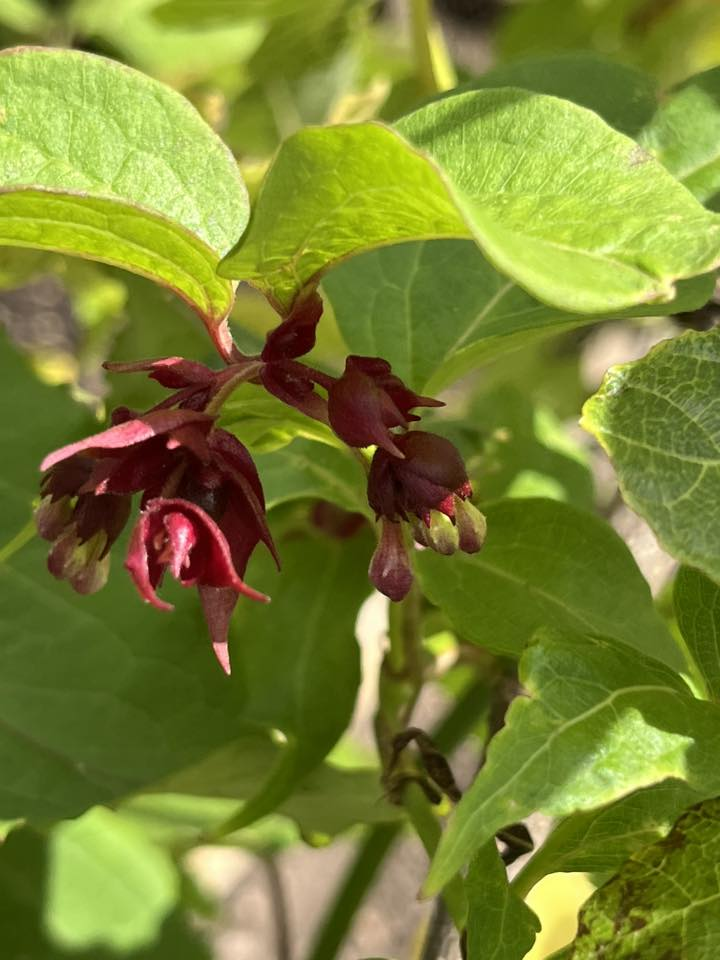
It is a vigorous, deciduous shrub. It does self seed in my garden & I have to keep on top of correctly disposing of small plants before they go to seed.
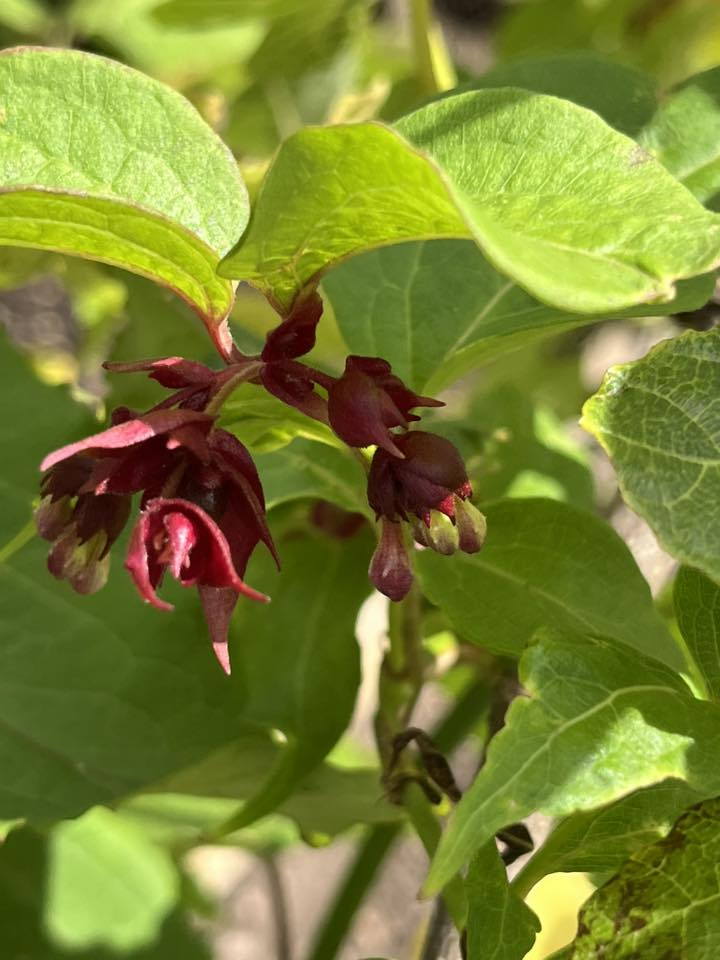
The erect stems with pendulous racemes of red/purple bracts & white flowers that become richly coloured purple berries are beautiful. The flowers are nectar rich, attract bees & the berries are loved by the birds especially.

Although on the RHS site it states the berries are harmful if eaten, I think this is because it is important that they are fully ripe. The plant has no reported toxicity to people, dogs, cats, horses, livestock & birds. Birds love the berries & as such spread the seeds to such an extent that the plant is now classed as invasive in Australia & New Zealand. There is strict monitoring in Northern Ireland, where Invasive Species Northern Ireland encourage people to record any sightings in the wild.

The plant was brought over here by the Victorians from the Himalayas & has toffee tasting berries when ripe but are dreadful & very bitter before then. You know when the berries are ripe as they readily burst as you try to pick them, the berries are dark brown/purple to almost black & are found under the purple flower bracts.
It is a distinctive looking plant which is quite difficult to confuse with other plants but as always, if you are at all uncertain, do not eat any berries!
Many foods we eat are highly poisonous at different stages, for example some contain linamarin (a compound that releases cyanide when consumed) but proper cooking methods neutralise this - butter beans for example contain this and are delicious cooked, but would would be very poisonous if eaten raw.
Anyway, back to pheasant berries, once ripe, the sweet, caramel tasting berries can be used in various dishes, including: jams & jellies & desserts.
Maybe because I live on the coast, but the most common name locally for Leycesteria formosa is ‘Shrimp Plant’, I’m sure you’ll agree the bracts & flowers do resemble shrimps in shape, but I wish shrimps I caught were the size of these! It likes moist but well-drained soil; (again as with a few I’ve mentioned that are classed as invasive in Australia & New Zealand, it is drought tolerant, so is this something we will need to be considering moving forward?). It likes full sun to partial shade & can be pruned back hard.
Do you grow Leycesteria formosa? What are your thoughts about it? Do you eat the berries?


Comments